

Replacement Soffit Boards
FollowOverview
-
Sectors AML & Sanctions Screening
-
Posted Jobs 0
-
Viewed 59

Company Description
You’ll Never Be Able To Figure Out This Soffit And Cladding’s Tricks
Understanding Soffit and Cladding: A Comprehensive Guide
In the realm of building and construction Fascia And Gutter Replacement architecture, the visual appeals and performance of a building are equally critical. Two components that play a vital role in boosting these aspects are soffit and cladding. This post will delve into the definitions, types, applications, advantages, and factors to consider of both soffit and Fascia And Soffit Upgrades; https://pad.karuka.tech, cladding, supplying valuable information for homeowners, home builders, and designers.
What is Soffit?
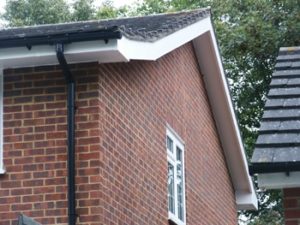
Soffit refers to the material that covers the underside of architectural functions such as eaves, arches, and overhangs. Its main function is to supply a finished appearance while also securing the structural components from the elements.
Types of Soffit Material
| Material Type | Description | Benefits |
|---|---|---|
| Vinyl | A popular option due to its toughness and low maintenance. | Resistant to wetness, available in numerous colors. |
| Aluminum | Light-weight and corrosion-resistant product. | Long-lasting, does not rust, simple to set up. |
| Wood | Provides a timeless and natural aesthetic. | Can be painted or stained, adjustable. |
| Fiber Cement | Made from a mix of cement and cellulose fibers. | Extremely long lasting, fireproof, and low-maintenance. |
Functions of Soffit
- Ventilation: Properly set up soffits can assist in air flow to attic areas, avoiding moisture buildup.
- Visual appeals: Soffits contribute to the overall style and appearance of a structure.
- Security: They secure the rafters and underside of the roofing from weather direct exposure.
What is Cladding?
Cladding refers to the outside material used to structures to provide thermal insulation, weather security, and visual improvement. Cladding products can be installed over different structural substrates, enhancing a structure’s efficiency and appearance.
Kinds Of Cladding Material
| Product Type | Description | Benefits |
|---|---|---|
| Vinyl | Affordable and flexible material available in numerous colors and designs. | Low Roofline Maintenance, water-resistant. |
| Wood | Natural product that offers heat and charm. | Renewable resource, can be treated for toughness. |
| Fiber Cement | Dense and long lasting product that simulates wood or stucco. | Resistant to moisture and pests, low-maintenance. |
| Metal | Steel, aluminum, or copper utilized for modern-day designs. | Lasting, weather-resistant, adaptable. |
| Brick | Standard and resilient product used in numerous building designs. | Low maintenance, fire-resistant, timeless appeal. |
Functions of Cladding
- Defense: It offers a barrier against wind, rain, and snow.
- Insulation: Cladding can improve a structure’s energy effectiveness by offering additional insulation.
- Aesthetic Appeal: Cladding adds character and can drastically alter the appearance of a structure.
Advantages of Soffit and Cladding
1. Improved Aesthetic Value
Both soffit and cladding enhance the curb appeal of a home. They provide endless design possibilities and can match numerous architectural designs.
2. Weather Protection
These components secure the underlying structures from environmental damage. Soffits assist prevent rot and deterioration, while cladding acts as a guard versus moisture and temperature level changes.
3. Improved Energy Efficiency
By incorporating insulation products with cladding, property owners can reduce energy expenses by decreasing heat loss in winter season and heat gain in summer season.
4. Increased Property Value
Purchasing quality soffit and cladding can increase the worth of a home. Potential purchasers frequently think about the aesthetic appeals and maintenance of outside materials when making getting choices.
5. Low Maintenance Options
Modern soffit and cladding products, such as aluminum and vinyl, require very little upkeep, making them suitable for busy homeowners or commercial property supervisors.
Factors To Consider When Choosing Soffit and Cladding
- Environment: Choose products that contribute to your local environment. For example, vinyl might not appropriate for extremely hot areas that can warp it.
- Building Code Compliance: Always make sure the products you pick fulfill local building regulations and standards.
- Design Harmony: Select soffit and cladding products that match each other and fit well with the total architecture of the structure.
- Budget: Quality products can be costly. Figure out how much you want to spend before deciding.
Setting Up Soffit and Cladding
Installation Process for Soffit
- Preparation: Remove any old material and check the location for damage.
- Measurements: Accurately determine the area to make sure a tight fit.
- Cutting: Cut the soffit panels to size, guaranteeing they fit completely to the location.
- Installation: Secure the panels in location using screws or nails as advised by the producer.
- Finishing Touches: Seal any spaces to avoid moisture seepage.
Installation Process for Cladding
- Framework: Start by building a framework if needed (furring strips or battens).
- Moisture Barrier: Install a wetness barrier to secure underlying structures.
- Determining and Cutting: Measure and cut cladding panels to the proper size.
- Connecting Cladding: Fasten each panel according to the manufacturer’s standards, ensuring they are safely in place.
- Sealing Joints: Soffit Replacement Add caulk or weather sealant as needed to protect versus wetness.
Frequently Asked Questions (FAQs)
Q1: How do I understand if my soffit requirements to be replaced?
A1: Signs of damage such as drooping, discoloration, or rot are indicators that your soffit may require to be changed.
Q2: How often should I check my soffit and cladding?
A2: It is a good idea to check your soffit and cladding a minimum of as soon as a year, searching for signs of damage, wear, or moisture problems.
Q3: Can I set up soffit and cladding myself?
A3: While DIY installation is possible, it may be best to talk to a professional, particularly for complex styles or difficult-to-reach areas.
Q4: What is the lifespan of soffit and cladding materials?
A4: The life expectancy can vary commonly depending on the product. Vinyl soffits may last 20-30 years, while wood may need more frequent maintenance.
Q5: Are there environmentally friendly alternatives for soffit and cladding?
A5: Yes, products such as bamboo, recovered wood, or accredited sustainable wood are outstanding eco-friendly alternatives for both soffit and cladding.
Soffit and cladding are necessary parts of structure style that enhance not only the visual appeal but also the sturdiness and energy performance of properties. Comprehending the types, benefits, and setups involved can empower homeowner and contractors to make educated decisions that will result in aesthetically pleasing and practical structures for many years to come.
