

Integrated Electric Oven
FollowOverview
-
Sectors AML & Sanctions Screening
-
Posted Jobs 0
-
Viewed 76

Company Description
The 10 Scariest Things About Built In Range Oven
The Complete Guide to Built-In Range Ovens
Built-in range ovens have actually ended up being a vital function in contemporary cooking areas, offering a mix of design, effectiveness, and convenience. With various options offered in the market, comprehending what to search for in a built-in range oven can help house owners make informed choices tailored to their culinary needs. This comprehensive guide will explore built-in range ovens, their advantages, types, features to think about, installation standards, and more.
What is a Built-In Range Oven?
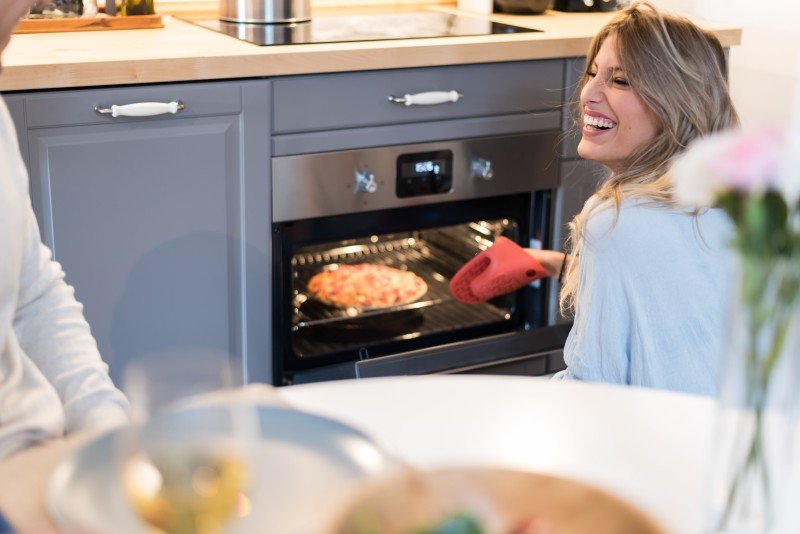
A built-in range oven, often described as a wall oven or built-in oven, is a kitchen appliance integrated straight into the kitchen cabinetry. Unlike freestanding designs that include a connected cooktop, built-in ovens generally function individually of the cooking surface area. They provide a seamless, upgraded aesthetic to kitchen areas, enhancing the overall design while maximizing area.
Advantages of Built-In Range Ovens
Built-in range ovens offer several advantages over other types of ovens:
- Aesthetic Appeal: These ovens can be created to match the cabinets style and color, offering the kitchen a harmonious and contemporary appearance.
- Space-Saving Design: Built-in ovens complimentary up counter space, making them perfect for smaller sized cooking areas or homes with open flooring strategies.
- Versatile Cooking Options: Many built-in ovens included a variety of cooking modes such as convection, steam, and rotisserie, supplying adaptability for various cooking designs.
- Improved Accessibility: Installed at eye level, built in cooker and hob-in ovens can be easier to load and unload without bending over or crouching.
- Energy Efficiency: Many contemporary built-in ovens come with energy-saving modes that lower electrical energy intake.
Kinds Of Built-In Range Ovens
There are numerous kinds of built-in range ovens to think about:
1. Electric Built-In Ovens
Electric built-in ovens are powered by electrical energy and usually use more consistent cooking results. They are easy to set up and typically included features such as self-cleaning options, digital controls, and different cooking modes.
2. Gas Built-In Ovens
Gas built-in ovens utilize natural gas or propane as a fuel source. Lots of chefs choose gas ovens for their immediate heat control and capability to reach high temperatures quickly.
3. Convection Ovens
Convection built-in ovens distribute hot air with a fan to cook food more equally. They can lower cooking times and are ideal for baking and roasting.
4. Wall Ovens
Wall ovens are a particular kind of built-in range oven that is vertically installed into the wall kitchen cabinetry. They can typically be paired with a separate cooktop or microwave.
5. Steam Ovens
Steam-built-in ovens cook food utilizing steam, protecting nutrients and flavors. They are excellent for health-conscious cooking and can also be used for reheating.
| Type | Key Features | Suitable For |
|---|---|---|
| Electric | Consistent cooking, self-cleaning | Baking and daily cooking |
| Gas | Immediate heat control | Accuracy cooking, high heat |
| Convection | Hot air flow | Baking and roasting |
| Wall | Vertical setup | Space-saving kitchen styles |
| Steam | Nutrient conservation | Health-conscious cooking |
Secret Features to Consider
When selecting a built-in range oven, think about the following features:
1. Size and Capacity
Step the installation space thoroughly to select the right size. built in oven and hob-in ovens generally can be found in standard sizes, such as 24″, 27″, or 30″. Capacity likewise matters; bigger ovens can accommodate more meals, making them perfect for families or those who frequently entertain.
2. Cooking Modes and Functions
Various built in cookers-in ovens offer a variety of cooking modes. Look for alternatives like:
- Conventional baking
- Convection baking
- Broiling
- Roasting
- Steaming
3. Controls and Smart Features
Modern built-in ovens frequently feature digital controls or wise features that permit exact temperature level adjustments and cooking times. Some designs are geared up with Wi-Fi capabilities for remote operation by means of an app.
4. Style and Finish
Select a style that matches your kitchen visual appeals. Available surfaces include stainless steel, black, white, or customized cabinetry panel-ready designs to effortlessly blend with the kitchen decoration.
5. Self-Cleaning Options
Many built-in ovens offer self-cleaning functions that simplify upkeep. This can save time and effort in keeping the device in optimum condition.
Installation Guidelines
Installing a built In range oven-in range oven needs consideration for ventilation, electrical supply, and proper measurements. Here is a streamlined installation procedure:
- Preparation: Measure the area and ensure adequate clearance for door and drawer operation.
- Electrical and Gas Connections: Ensure your home has the required electrical supply or gas lines. It’s suggested to have a certified professional deal with gas connections or complex electrical setups.
- Ventilation: Some ovens may need external ventilation. Make sure the kitchen style accommodates proper air flow.
- Placement: Mount the oven firmly within the cabinetry, following the producer’s directions to avoid overheating or insufficient support.
Regularly Asked Questions (FAQs)
1. What’s the distinction in between a built-in oven and a freestanding oven?
Built-in ovens are installed into the cabinetry and do not include a cooktop, while freestanding ovens are self-contained with an integrated cooktop. Built-ins generally provide a more structured look however might take more effort to set up.
2. Are built-in range ovens energy-efficient?
Yes, lots of contemporary built-in range ovens are created to be energy-efficient, featuring energy-saving modes and better insulation compared to older designs.
3. How much do built-in range ovens cost?
Rates for built-in range ovens can range commonly based on brand, functions, and size. Basic models can start around ₤ 800, while high-end models can surpass ₤ 3,000.
4. Can I install a built-in oven myself?
While some useful house owners might try setup, it is often best to hire an expert to guarantee security and compliance with building codes, specifically for gas connections.
A built-in range oven can considerably boost a kitchen’s functionality and visual appeals. With a variety of alternatives, functions, and styles, property owners have the chance to choose an unit that meets their cooking requires while making sure a smooth style. Investing in a top quality built-in range oven can help elevate culinary experiences, leading the way for delicious meals and memorable gatherings. When thinking about a brand-new build or a renovation, integrating a built-in range oven is a wise decision for modern cooking areas.
