

Non Folding Treadmill
FollowOverview
-
Sectors Human Resource (HR)
-
Posted Jobs 0
-
Viewed 89

Company Description
Non Powered Treadmill Tools To Ease Your Daily Life Non Powered Treadmill Trick That Everybody Should Know
The Rise of Non-Powered Treadmills: A Deep Dive into Their Benefits and Features
In a world significantly concentrated on health, wellness, and physical fitness, the choices for exercise devices seem unlimited. Amongst these, non-powered treadmills are gaining substantial traction. These devices, which do not depend on electrical power to operate, provide a distinct blend of benefits and advantages that deal with a varied audience. This post explores the features, benefits, and factors to consider associated with non-powered treadmills, while also addressing typical questions surrounding them.
What is a Non-Powered Treadmill?
A non-powered Treadmill Non Electric, typically referred to as a manual treadmill, is a type of treadmill that is run by the user’s motion instead of an electric motor. Users power the belt forward by walking or running, making it a flexible option for cardio exercises. Non-powered treadmills are often seen in home fitness centers, physical fitness studios, and rehabilitation centers due to their simpleness and efficiency.
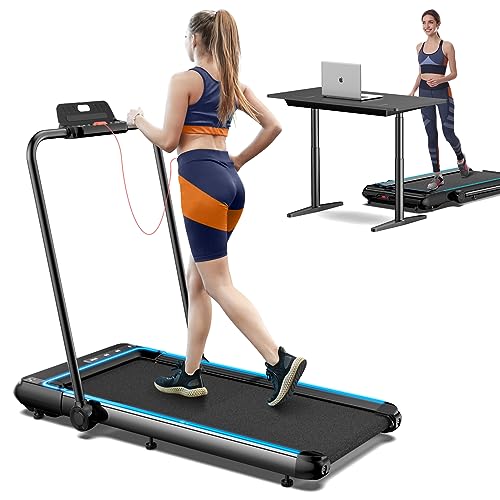
Contrast: Non-Powered vs. Powered Treadmills
To understand the growing appeal of non-powered treadmills, it’s crucial to compare them against their powered equivalents. The table below highlights some key distinctions:
| Feature | Non-Powered Treadmill | Powered Treadmill |
|---|---|---|
| Source of power | Manual (user-driven) | Electric (motor-driven) |
| Cost | Generally more economical | Often more costly |
| Upkeep | Low upkeep requires | Greater maintenance requirements |
| Space Requirements | Usually less large | Can be large and heavy |
| Incline Adjustment | Manual changes | Automatic settings available |
| Workout Intensity | Variable; depends upon user effort | Constant; speeds set by the user |
| Threat of Injury | Lower, promotes natural movement | Higher, due to speed settings |
Training Benefits of Non-Powered Treadmills
-
Engagement of Core Muscles: Non-powered treadmills necessitate a higher level of balance and core engagement. Users need to stabilize themselves, which in turn integrates core strength into the workout.
-
Natural Running Mechanics: As users move the tread, they simulate natural running or walking techniques, lowering the risks of injury associated with busy powered treadmills.
-
Customizable Speed and Intensity: Because the treadmill counts on user effort, people can select their exercise rate, making it ideal for both beginners and advanced athletes.
-
Increased Caloric Burn: Research suggests that users may burn more calories on a Non Powered Treadmill-powered treadmill compared to a powered one at similar strengths. The factor? Manual treadmills can press the body to work harder and to maintain a greater level of intensity throughout the workout.
-
Durability: Non-powered treadmills are normally more rugged and developed to last, with less electronic elements that might fail with time.
Considerations for Choosing a Non-Powered Treadmill
Before purchasing, potential purchasers need to think about the following features:
| Feature | Considerations |
|---|---|
| Weight Limit | Ensure it fits your physique and needs |
| Belt Size | A broader belt can provide more convenience, especially for running |
| Incline Settings | Try to find alternatives to adjust incline for varying exercise strength |
| Frame Construction | Go with resilient materials that can hold up against strenuous usage |
| Mobility | Consider models that are simple to move or store out of the way |
Frequently Asked Questions (FAQ)
1. Are non-powered treadmills appropriate for everybody?Yes, these treadmills are normally ideal for users of all physical fitness levels. Nevertheless, people with particular health issues must consult a medical professional before starting any brand-new exercise program.
2. How much do non-powered treadmills cost?Prices can differ commonly, typically ranging from ₤ 200 to upwards of ₤ 2,000 based on quality and features. Manual alternatives tend to be more budget-friendly than powered versions.
3. How do I maintain a non-powered treadmill?Upkeep tends to be very little; simply make sure that the belt is tidy and look for wear and tear occasionally. It’s also essential to keep moving parts lubed for smooth operation.
4. Can I run or stroll on a non-powered Treadmill Non Electric?Yes, non-powered treadmills are developed for both walking and running. Users can adjust their exercise strength based upon speed and stride.
5. Do I need to adjust the incline by hand?Yes, most non-powered treadmills require manual changes for incline changes, permitting users to vary their workouts as desired.
The Non Folding Treadmill-powered treadmill stands as a practical and efficient exercise solution, best for those seeking to improve their workout regimen without the complexities of powered machines. By supplying a strenuous exercise that engages the core and works the body holistically, these treadmills are developed to produce a reliable cardio experience that accommodates all physical fitness levels. Their cost, resilience, and overall efficiency for calorie burning add to their rise in popularity.
Whether you are a skilled professional athlete searching for a harder workout or a novice taking those very first actions toward physical fitness, non-powered treadmills provide a welcoming option to the conventional electric treadmill. With the added benefit of lower upkeep and cost, they should have consideration on your fitness journey.
