

Oven Integrated
FollowOverview
-
Sectors Anti-Fraud
-
Posted Jobs 0
-
Viewed 83

Company Description
You’ll Never Guess This Kitchen With Built In Oven’s Secrets
The Benefits and Design Considerations of a Kitchen with a Built-In Oven
In contemporary kitchen style, built-in ovens have become a prominent feature, using both performance and aesthetic appeals that deal with modern way of lives. This article looks into the advantages of incorporating a built-in oven into the kitchen space and highlights vital design factors to consider to make sure a cohesive and useful kitchen environment.
Comprehending Built-In Ovens
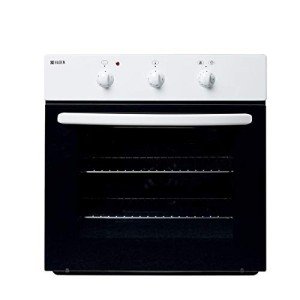
Built-in ovens are developed to be flawlessly integrated into kitchen cabinetry, which differentiates them from conventional freestanding ovens. These appliances come in various configurations, consisting of single-wall ovens, double-wall ovens, and even microwave that share the exact same integrated cabinet area.
Common Types of Built-In Ovens
| Type | Description | Perfect Use |
|---|---|---|
| Single Wall Oven | A basic oven with one compartment for baking and roasting. | Small cooking areas or daily baking. |
| Double Wall Oven | 2 different oven compartments enabling for synchronised cooking. | large integrated oven households or regular bakers. |
| Mix Oven | A microwave and standard oven in one system. | Quick meals and versatile cooking alternatives. |
| Steam Oven | An oven designed particularly for steam cooking. | Health-focused cooking and elaborate dishes. |
Advantages of Built-In Ovens
The appeal of built-in ovens can be associated to several key advantages, including:
1. Space Efficiency
Built-in ovens are created to fit within existing cabinets, maximizing valuable flooring area. This function is particularly useful in smaller sized cooking areas, where every square foot counts.
2. Structured Appearance
The seamless combination of a built-in oven produces a sleek appearance in the intergrated kitchen. Offered in different finishes, built-in ovens can match or match kitchen cabinetry, providing a modern and unified design aesthetic.
3. Improved Functionality
Built-in ovens typically use sophisticated features, such as clever innovation, multiple cooking modes, and even self-cleaning options. This can enhance cooking experiences and enhance the efficiency of meal preparation.
4. Improved Accessibility
With correct installation of a built-in oven, users can increase availability, preventing the requirement to bend over to reach a lower oven compartment. Eye-level cooking appliances allow cooks to monitor their dishes quickly and reduce the danger of burns from flexing down to check on a baking product.
5. Energy Efficiency
Numerous modern built-in ovens utilize innovative cooking innovation that can lead to lower energy consumption. Functions like convection cooking can minimize cooking times while ensuring even heating, eventually conserving energy.
Style Considerations for a Kitchen with Built-In Ovens
While built-in ovens provide numerous advantages, cautious consideration in the style stage is vital to maximize their benefits and incorporate them successfully into the kitchen layout. Here are some key factors to think about:
1. Cabinet Configuration
When preparing for a built-in oven, property owners must thoroughly think about cabinet layouts and setups. Adequate ventilation is vital for correct operation. It’s important to leave enough space for airflow, which can vary depending on the oven model.
2. Height Preference
The installation height of the oven must be identified based on the main users. A built-in oven located at eye level can make it easier to utilize, particularly for those who often prepare.
3. Complementary Appliances
In a kitchen setting, built in ovens for sale-in ovens built in frequently match other built-in appliances such as microwave and warming drawers. Selecting appliances that work well together can even more enhance the kitchen’s design.
4. Visual Choices
Selecting finishes and colors that balance with the overall kitchen style is essential. Built-in ovens are readily available in various options, consisting of stainless steel, black, and even customized cabinet finishes that can vanish flawlessly into the cabinets.
5. Budget Considerations
Built-in ovens can range considerably in rate, from affordable options to high-end designs packed with features. It’s important to set a realistic spending plan that allows for the desired specs without jeopardizing the overall kitchen with Built in Oven restoration.
Frequently asked questions
1. What is the distinction in between a built-in oven and a freestanding oven?
Built-in ovens are integrated into cabinetry and offer a smooth look, while freestanding ovens are standalone systems that can be moved easily.
2. Do built-in ovens require professional setup?
Yes, built-in ovens generally need professional setup due to their integration with cabinetry and electrical requirements.
3. Are built-in ovens more pricey than conventional ovens?
In basic, built-in ovens can be more expensive due to their installation procedure and advanced functions, but there are lots of choices readily available to suit differing spending plans.
4. How do I preserve a built-in oven?
Routine cleansing and upkeep, such as utilizing the self-clean function, inspecting seals, and ensuring correct ventilation, are vital for preserving a built-in oven.
5. Can built-in ovens be utilized in smaller kitchens?
Yes, built-in ovens can be advantageous in smaller sized kitchens due to the fact that they maximize area effectiveness and can be installed at eye level for benefit.
Incorporating a built-in oven into a kitchen design is an outstanding choice for boosting performance and looks. By considering the design pointers and advantages gone over in this short article, homeowners can produce a harmonious kitchen area that accommodates their cooking needs while looking chic and trendy. Whether renovating an existing kitchen or designing a brand-new one, built-in ovens provide a level of elegance and usefulness that lines up effortlessly with modern-day culinary practices.
